
The 5 Surveillance Blind Spots We See Most Often
And what to do about them.

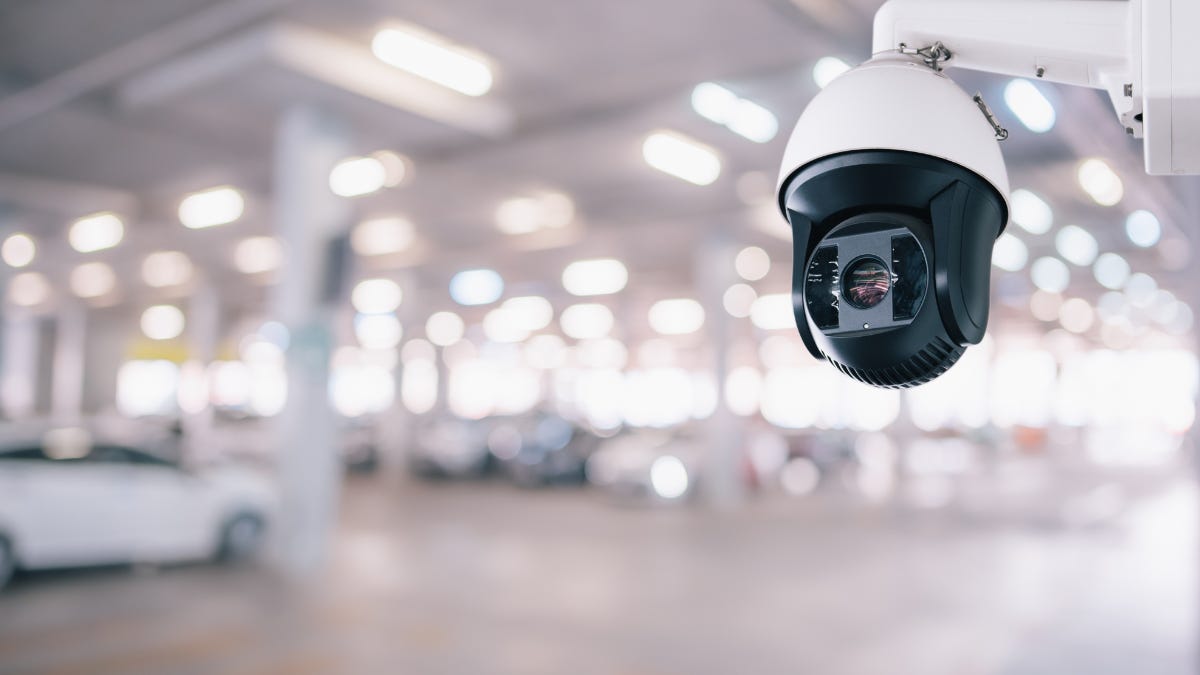
There’s nothing worse than investing in a top-of-the-line surveillance system, planning coverage, investing in the right NVR, thinking you’re doing everything right, only for it to fail you when you need it most.
Your cameras can be online, recording, and functioning exactly as intended while still missing the footage you actually need.
The cameras aren’t inherently bad, nor has the NVR run out of storage space. It’s usually as simple as not allocating the right camera to the right location.
Blind spots are hard to identify unless you’re regularly reviewing footage or looking for something in particular, only for it to be out of frame.
If there’s anything you need to remember when you’re planning a surveillance system, it’s this: Bad cameras are rarely the issue. Bad planning is.
In this blog, we’re going to help you cover your bases. Here are the top five surveillance blind spots we see most often, and what you can do about them.
Entrances and Exits Without Identification Coverage
One of the most common surveillance mistakes we see is assuming that because an entrance is covered, it’s automatically protected.
In reality, most entrance cameras are positioned way too high, too far away, or too wide to capture meaningful details. Sure, they can show that someone entered the building, but when it’s time to review footage, identifying that person becomes a lot more difficult.
This is especially common in parking lot entrances, gates, lobbies, and main access points, where the goal should be more than simple activity monitoring. These areas usually serve as the first (and usually the last) opportunity to capture a clear image of a person entering or leaving the property.
When planning surveillance around entrances and exits, camera placement should be designed with identification in mind. That means considering camera angle, distance, lighting conditions, and the level of detail you’ll need if you ever need that footage as part of an investigation.
Parking Lots With Coverage But No Detail
Another common area where surveillance systems fall short is parking lots.
You might have installed a wide-angle camera because it can see the whole parking lot. While it can absolutely capture vehicles coming and going, people walking through the lot, and activity across a large area, you won’t get the details you need if something happens.
If a car is damaged overnight or a hit-and-run occurs, you’ll be able to see that something happened, but not who was involved.
This is why parking lots usually need a combination of coverage and detail. Wide-angle cameras can help monitor overall activity, but they should be paired with cameras strategically positioned to capture identifying information where it matters most.

Loading Docks, Service Areas, and Side Entrances
When businesses think about surveillance, they tend to focus on the most visible parts of the property. The main entrance, the lobby, the front gate, and the pool.
And while those areas are absolutely important, they’re not always where incidents happen.
In a lot of environments, some of the highest-risk areas are the ones employees, vendors, and visitors use every day without a second thought. Loading docks, service entrances, delivery zones, maintenance areas, and dumpster enclosures often see a steady flow of activity but get far less surveillance attention during the planning process.
These locations can become blind spots where unauthorized access, theft, property damage, and other incidents occur outside the view of primary cameras.
Part of the problem is that these areas aren’t always customer-facing, so they tend to get deprioritized. But, from a security perspective, they’re some of the most important areas to monitor.
When planning your surveillance coverage, it’s worth asking a simple question: If something happened tomorrow, would you have the footage you need?
If the answer is no, it may be time to take a closer look at the areas behind the scenes.
Common Areas With Obstructed Views
Some of the most challenging surveillance environments are the spaces people use every day, like the pool, clubhouse, lobby, break room, and shared workspaces, to name a few.
These areas are usually open, active, and filled with architectural features that can interfere with visibility. A camera may technically cover the space, but that doesn’t mean it can clearly capture everything happening within it.
Columns can block key sightlines, for example, or landscaping can create hidden pockets of activity. These introduce unexpected blind spots that aren’t obvious until footage is reviewed after an incident.
This is especially common in shared spaces where people naturally gather, move around, and interact. What looks like comprehensive coverage during installation can leave important areas partially hidden from view.
That’s why your surveillance planning needs to go beyond simply checking whether a camera can see a room. The real question is whether the camera can see the areas that matter most within that room.
The Blind Spot Nobody Talks About: Retention
Not all surveillance blind spots are physical.
Sometimes the footage you need simply isn’t there anymore.
This is one of the overlooked aspects of surveillance planning because everything appears to be working normally. Your cameras are recording, and footage is being stored, right?
Then something happens. That’s when a lot of businesses discover their retention period wasn’t long enough, storage capacity was underestimated, or footage has already been overwritten.
Unfortunately, these problems often go unnoticed until it’s too late to fix them.
Retention planning should be based on a lot more than just available storage. It should account for the number of cameras, recording quality, frame rates, compliance requirements, and how long footage may realistically need to be preserved.
A Surveillance System Is Only as Good as Its Strategy
Surveillance blind spots don’t always look the way people expect.
Sometimes they’re hidden behind a building column, sometimes they’re caused by poor camera placement, sometimes they’re the result of choosing the wrong camera for the environment, and sometimes they’re sitting quietly in the background as footage gets overwritten day after day.
The common thread is that most surveillance issues aren’t discovered during installation. Unfortunately, they’re discovered when someone needs answers, and the system can’t provide them.
That’s why effective surveillance starts long before the first camera is mounted.
At NTS, we help businesses, communities, and multi-site organizations design surveillance systems around visibility, not just camera counts. From coverage planning and camera selection to storage, retention, and long-term support. Our goal is simple: helping you build a system that works when it matters most.
Contact us for a free consultation today.