
Your Surveillance Cameras Could Be a Cybersecurity Risk
A lot of businesses replace their surveillance systems for better image quality. What they don’t realize it that outdated cameras could be a major cybersecurity risk, too.

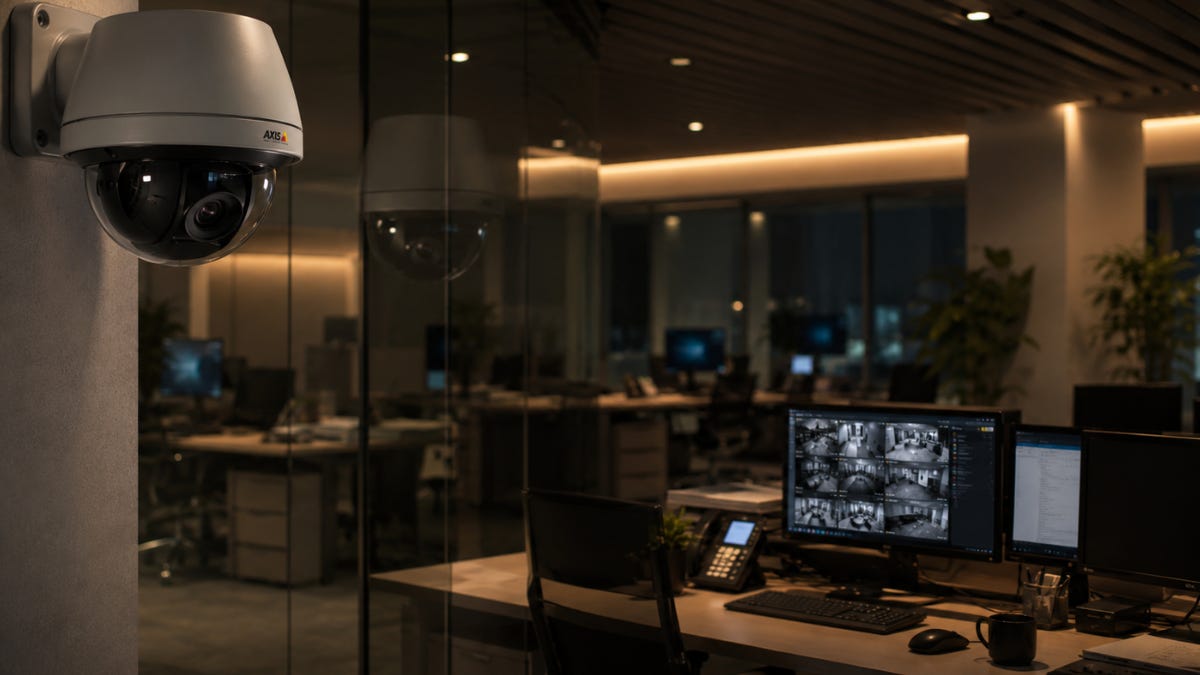
When you think about replacing your outdated surveillance systems, the reasons are usually pretty predictable.
The cameras are getting old, the footage isn’t clear enough anymore, they want better coverage or remote access, maybe they want newer features.
Those are all great reasons to upgrade, but there’s another elephant in the room that no one talks about enough.
Today’s surveillance systems are connected to your network. They have software, firmware, user accounts, and in a lot of cases, remote access. In other words, they’re not just cameras anymore. They’re connected devices, just like your computers, servers, and phones.
This means that they need to be managed like connected devices, too.
If they’re running outdated firmware, using weak passwords, or no longer getting security updates, they might be creating risks that have nothing to do with blurry footage or blind spots.
Here’s why more businesses are starting to look at surveillance systems as part of their overall cybersecurity strategy.
And why you should, too.
Your Surveillance System is Part of Your IT Infrastructure
For a long time, surveillance cameras were pretty simple.
You mounted them, connected them to a recorder, and hoped you never needed the footage.
Today’s systems are much more sophisticated.
Most modern surveillance systems are connected to your network, accessible from mobile devices, and capable of sending alerts, storing video remotely, and integrating with other business systems.
That’s part of what makes them so valuable. But it also changes the conversation.
Once a surveillance system is connected to your network, it’s no longer just a collection of cameras. It’s another connected device that needs to be configured, maintained, and secured just like any other piece of business technology.
Unfortunately, that’s not always how it’s treated.
A lot of (probably most) businesses keep using surveillance systems long after they’re supported, hardly ever update firmware, and never revisit the security settings after the initial installation.
Over time, those oversights create risks that have nothing to do with video quality.
Key takeaway: The moment your surveillance system connects to your network, it becomes part of your overall IT environment, not just your physical security strategy.
Unsupported Doesn’t Just Mean Outdated
When a computer stops getting security updates, most businesses understand it’s time to replace it.
The same thinking should apply to surveillance systems.
Manufacturers eventually stop supporting older cameras, recorders, and other surveillance hardware. Once that happens, security updates and firmware patches may no longer be available, even if the equipment still appears to be working normally.
That’s where the risk starts to change.
A camera can continue recording crystal-clear footage while running software that’s years out of date. If security vulnerabilities are discovered after support ends, there may never be a fix.
That doesn’t automatically mean your business is going to be compromised.
But it does mean you’re relying on tech that may no longer be keeping up with today’s security landscape.
That’s one of the biggest reasons businesses are replacing legacy surveillance systems. Because you need to make sure the technology protecting the business isn’t introducing unnecessary risk.
Key takeaway: A surveillance system doesn’t have to stop working to become outdated. Sometimes the biggest risk is what you can’t see.
Could Someone Else Be Watching?
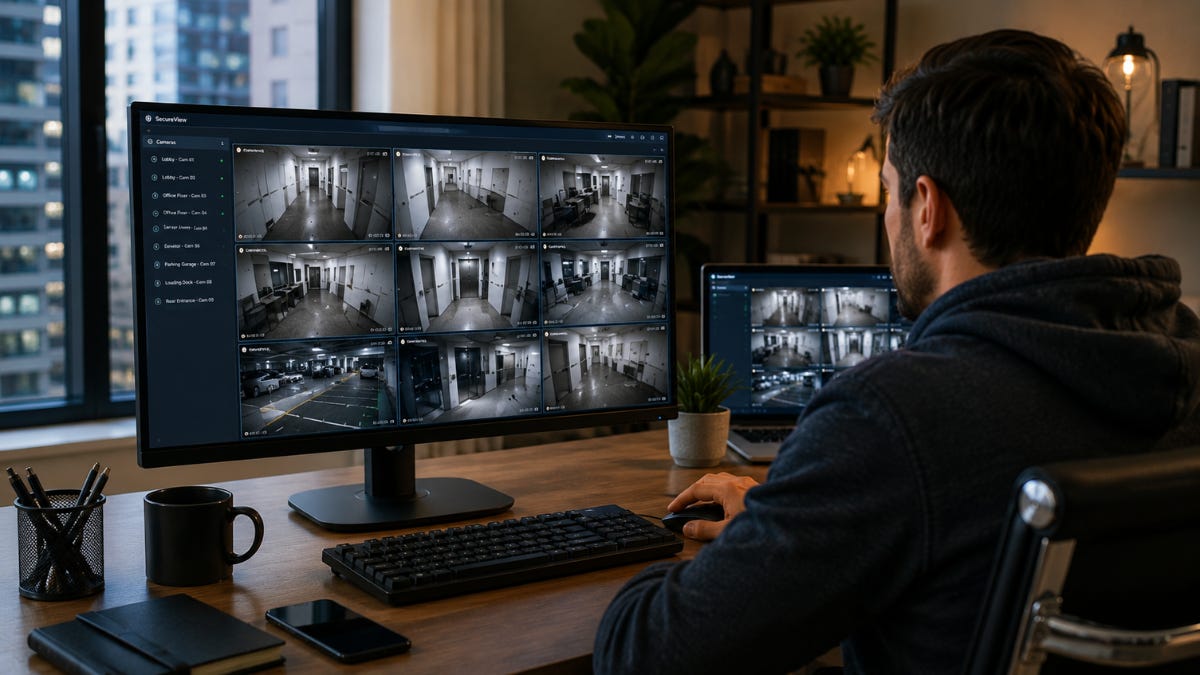
Most business owners assume the only people who can view their surveillance footage are the people they’ve given access to.
In a properly configured system, that’s exactly how it should work.
The problem is that older surveillance systems aren’t always configured properly. Weak passwords, outdated firmware, exposed remote access, or unsupported hardware can all create opportunities for unauthorized access if they aren’t addressed.
That doesn’t mean every legacy camera is vulnerable, but it does mean businesses shouldn’t assume that because a camera is recording, it’s also secure.
The last thing any business owner wants is to install cameras to protect their property, only to find that someone outside the business has found a way to access the system.
That’s why it’s so important to review who has access, remove old user accounts, use strong credentials, keep firmware up to date, and make sure remote access is configured securely.
Surveillance systems are designed to give your business visibility, not someone else.
Key takeaway: A surveillance system should help you monitor your business. It should never become an opportunity for someone else to do the same.
Surveillance Shouldn’t Be “Set It and Forget It”
One of the biggest misconceptions about surveillance systems is that once they’re installed, the job is done.
In reality, they’re a lot like any other piece of business technology.
They need software updates.
Firmware should be kept current.
User accounts should be reviewed as employees come and go.
Remote access should be configured carefully
Older hardware should be evaluated before it reaches the end of its supported life.
The problem is that surveillance systems usually fall into a different category in people’s minds. Servers get patched, laptops get replaced, fiirewalls get monitored.
But the cameras?
They sit forgotten in the background, sometimes for years, without anyone thinking much about them.
That’s exactly why it’s worth revisiting your surveillance system every so often. Your business, your technology, and the threat landscape have all changed since those cameras were first installed.
A surveillance system should be just as much a part of your technology strategy as your computers, your network, or your cybersecurity tools.
Key takeaway: The best surveillance systems aren’t just installed well; they’re maintained, monitored, and managed over time.
So, When Is It Time to Upgrade?
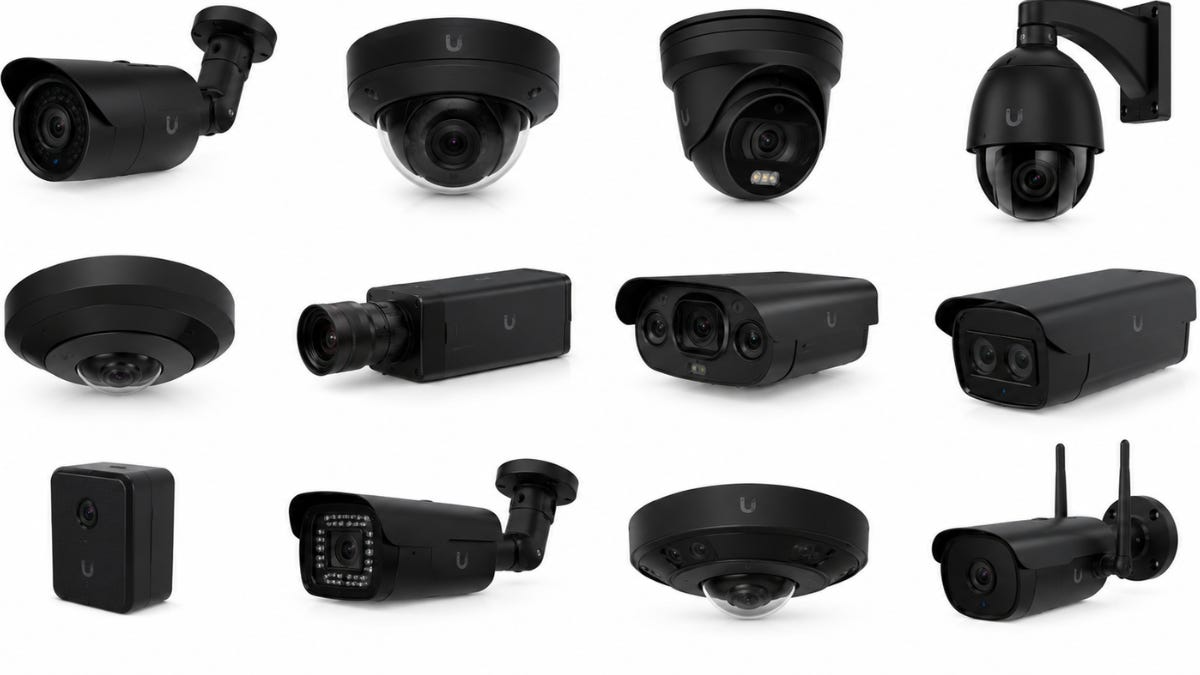
You might assume you’ll know when it’s time to replace your surveillance system. Maybe a camera fails or stops recording. Usually, something breaks, and that’s the catalyst for an upgrade.
Sometimes, though, you won’t have a clue because the warning signs are much more subtle.
Maybe the manufacturer no longer supports the hardware. Maybe replacement parts are getting harder to find. Maybe the system still records, but it doesn’t integrate with the way your business operates today. Or maybe you’re just not confident that it’s as secure as it should be.
Those are all good reasons to start asking questions.
The best time to evaluate a surveillance system isn’t after it becomes a problem. It’s while it’s still giving you the opportunity to plan your next move.
Upgrading doesn’t have to mean replacing every camera overnight. Sometimes you just have to understand what you have, identify where the risks are, and put together a plan that makes sense for your business.
A little planning today can help you avoid much bigger problems tomorrow.
Key takeaway: The right time to evaluate your surveillance system is before you’re forced to replace it, not after it catches you by surprise.
It Might Be Time to Look at Your Cameras a Little Differently
When most businesses think about upgrading their surveillance systems, they’re usually thinking about better image quality, newer cameras, or adding a little more coverage.
Those are all good reasons to upgrade, but they’re not the only reasons.
Today’s surveillance systems are part of your technology environment. They help protect your business physically, but they also need to be protected themselves.
If your cameras have been running for years without much thought, it may be worth asking whether they’re still meeting your needs, not just from a surveillance standpoint, but from a security standpoint as well.
The good news is that you don’t have to figure it out on your own.
If you’re planning a surveillance upgrade or simply want a better understanding of what’s changed, we recently recorded a webinar that walks through our approach to designing modern surveillance systems.
We cover everything from choosing the right cameras and NVRs to planning coverage, exploring newer technologies, and building a system that’s designed around your business.
Watch the webinar to learn what goes into planning a surveillance system that protects your business today and for years to come.